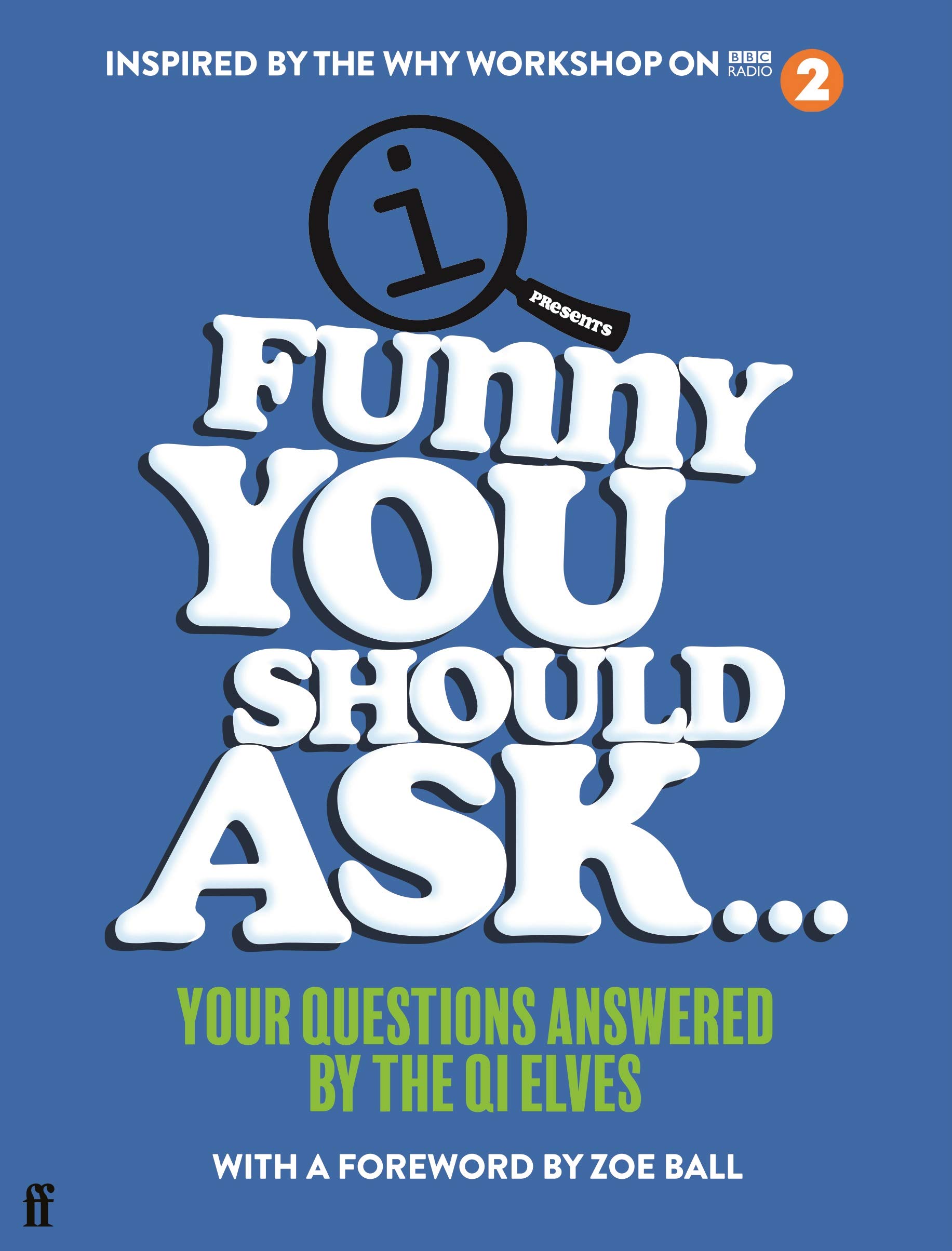
Funny You Should Ask… – by The QI Elves

6 03 2022

The QI Elves are the wonderful people who write the questions for the TV show QI [Quite Interesting], and more recently they’ve also been doing a weekly segment on the Radio 2 breakfast show where people call in with questions for them to answer. This book is based on some of those questions, as well as some tangents from those, and some brand new questions. Most are just a page long, some are a couple of pages and there are a couple of occasionally three page answers, but most of those are ones with a lot of pictures in them! It means that it’s all very bitesize and easy to read.

The questions themselves are brilliant, they include things like:

  • Who alphabetised the alphabet?
  • Which fruit came first, the grape or the grapefruit?
  • Why does red mean ‘stop’ and green mean ‘go’?
  • What happens if you try to use superglue on a non-stick pan?
  • Why do Olympic racers run anticlockwise?

A lot of the answers finish with some random related fact, where I learnt wonderful things like

  • A group of ducks on water is called a paddling.
  • Four of the characters from Frozen – Hans, Kristoff, Anna and Sven – are named after Hans Christian Andersen, the author of the film’s main inspiration, ‘The Snow Queen’.
  • Sodium citrate is used in the production of nacho cheese and has the chemical formula Na3C6H5O7.

Some of the answers left me with follow-up questions, but that’s part of the joy of it I think, finding more things to learn!

One Of Us Is Lying – by Karen M McManus

23 02 2022

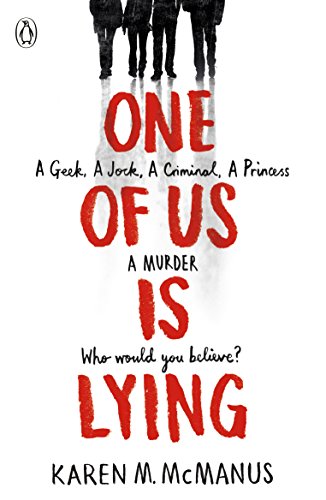
I’ve been describing this book as The Breakfast Club meets Agatha Christie: five kids from five different American high school stereotypes, all in detention together, one of them dies, whodunnit?

The book is narrated by the four other kids in turn as they try to work out what happened, who did it, and why. Is it one of them, or someone else? The boy who dies had a gossip blog which has a reputation for always being accurate, and had been about to post stories that would ruin each of the other four teenagers lives, so there’s a lot to dig through.

I did guess the solution, but not with all the detail that was revealed, so still enjoyed it as it worked its way through. And now that I’ve finished it, there’s a series of it that has just arrived on Netflix, so I’m ready to see what they’ve done with it!

And it has the added bonus of putting an Abba song in your head every time you look at the cover, even if it’s not exactly the same words!


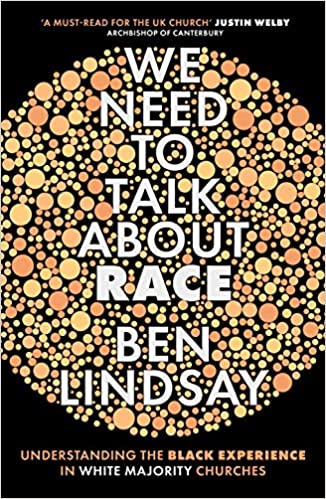
We Need To Talk About Race – by Ben Lindsay

8 02 2022

This was definitely a challenging read, but it felt important to read it.

The book is aimed at all Christians, black and white, congregation member and leader. Each chapter has a question for reflection for each perspective, which helps process what you’ve just read.

It also has two interludes, one of which was women of colour sharing their stories of what they’ve experienced in church, the real-life examples were pretty hard hitting.

As he acknowledges in the book, a lot of white people, myself included, are scared of talking about race for fear of saying the wrong thing, so really what I’ve put below is just a few bits from pages where I turned the corner down, it doesn’t flow, but I think that reflects that I’m still processing what I’ve read. Even now, I’m scared I’ve said something wrong somewhere in this post, my sincere apologies if this is the case.

  • The black majority church has been growing, partly because people of colour have not felt included in white churches, and so we’ve become a much more segregated church overall, which is not how it was meant to be.
  • Early on he listed a load of privileges white people have that they don’t even realise, which was helpful to give something practical to think about.
  • He talks about the differences between churches being diverse, and churches being inclusive – so often the focus is diversity, but this reminded us that this isn’t the ultimate aim.
  • The importance of acknowledging the churches part in the start of the slave trade, and not just the abolitionists.
  • Is the churches approach to social action more about pulling people from the river than seeing why they’re falling in in the first place?
  • Distinguishing between Social Welfare – serving practical needs of the community, and Social Justice – campaigning and advocacy, addressing what left the community in that state to start with.

And then a line that just stood out to me as something to apply far more widely in life: “Forgiveness without progress is hard. This is not to say we should not forgive.”

I definitely feel this book increased my awareness, and I’ll be recommending it to my Pastor. I want to dig out an article it recommends called “100 ways white people can make life less frustrating for people of colour” by Kesiena Boom, as I’m a person who works well off specific examples. As a Christian in a very white church, and has always attended very white churches, I would recommend this to other white Christians too.


The King’s Curse – by Philippa Gregory

17 01 2022

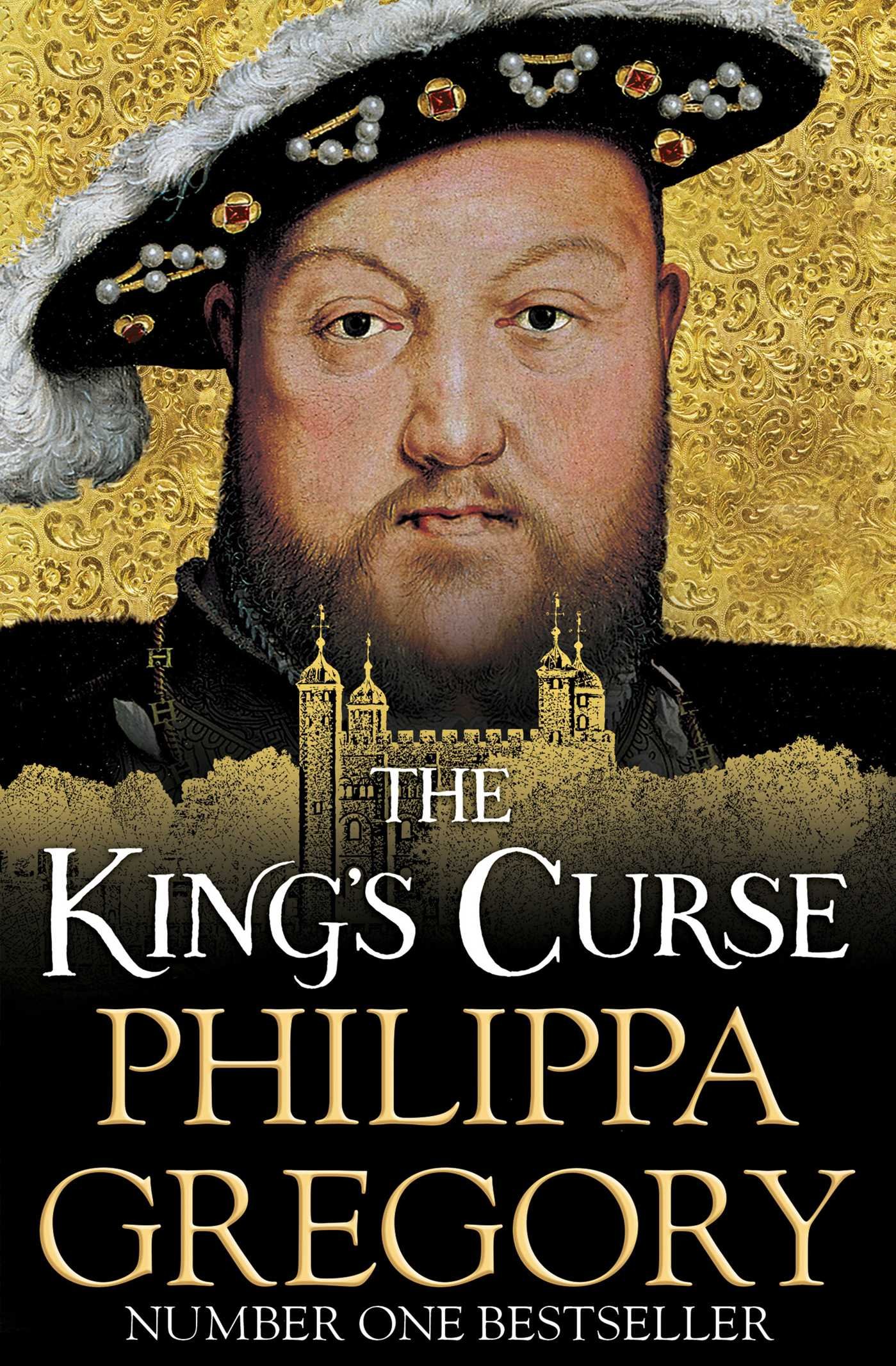
A few years ago I read The Constant Princess, and have finally gotten around to reading the next book in the series! This book runs from 1499-1541, covering quite an expanse of time, but following the story of Margaret Pole. She was a Plantagenet, niece of both Edward IV and Richard III, and cousin of Elizabeth of York who was wife of Henry VII, and so while from a family that had been defeated by the Tudors, was highly involved in the family.

Near the start of this book she takes guardianship of Prince Arthur and his wife Katherine of Aragon, and as time goes on, Arthur passes away and Katherine becomes Henry VIII’s first wife, she becomes one of Katherine’s closest ladies in waiting.

Throughout the book are scattered updated pictures of her family tree so you can keep track of what’s going on as time passes – I always appreciate a book with diagrams!

Life is not easy for Margaret Pole; when life is good it’s very good, but when Henry throws her out of court things become much more frightening.

Henry as a child seems to be fairly delightful, but as he gains power, and time passes without him successfully producing an heir, he becomes much more unbearable. The book covers his first four marriages, and as things go on he seems to become more and more delusional, refusing to acknowledge anything bad that happens, it felt a little pertinent to our current leaders, but with a lot more hangings and beheadings, this situation was clearly much worse!

The other part of the book that felt oh so familiar was when The Sweat spread round the country, and people had to shut themselves away to stop the spread….

It was strange to read about things that were seen as awful at the time they happened, but for us are now perfectly normal: Henry declaring himself head of the church, requiring himself to be referred to as Your Majesty instead of Your Grace, and requiring churches to have the Bible in English instead of Latin.

I didn’t read this for ages because I didn’t know who Margaret Pole was, and so didn’t care much to read it, but I found it so interesting! Yes you take it all with a pinch of salt as it’s fiction at the end of the day, but these are supposedly well researched, there’s a long bibliography in the back, and so there’s definitely some things to learn from it! Looking forward to the next one now!


The Indisputable Existence of Santa Claus – by Dr Hannah Fry & Dr Thomas Oléron Evans

29 12 2021

Maths & Christmas, what more could you want?!

From predicting the Queen’s Speech using Markov Chains, to how to wrap presents using the least wrapping paper, it covers all elements of the festive season! It’s nice and accessible too, with lots of notes for further reading for those who want to fully geek out (the number of articles that seem to have been written on cooking a turkey seems to be insane!)

It’s not a heavy book, lots of chatter and humour makes it easy to read, and lots of diagrams too, so you really fly through the 150 pages!


Letters from Father Christmas – by J.R.R. Tolkien

29 12 2021

From 1920 ’til 1943, Tolkien wrote letters to his four children (over an age range of 12 years), as from Father Christmas; with shaky writing from the cold, suitable North Pole stamps and postmarks, and hand-drawn illustrations to accompany them.

In the 1976, three years after he died, his daughter-in-law compiled these into a book for people to enjoy, and last year, to mark the centenary of the first letter, this edition was published.

He shares stories of things going on in the North Pole, with his companion the Polar Bear, problems every few years from goblin attacks, and these are also covered in the illustrations. He uses these some years to explain why they might not get what they expect, but always acknowledges the letters they’ve written too.

It’s a lovely warm hug to read over the Christmas period, I saw that someone said they read one letter to their kids every night over advent as a build up to Christmas Day, which I thought was quite sweet!


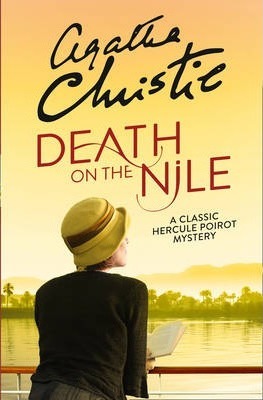
Death on the Nile – by Agatha Christie

31 10 2021

My third Agatha Christie and my second Poirot!

I’m starting to notice a pattern now (unless it’s just coincidence with the ones I’ve read so far), which is why I’ve struggled to get into each one, and that’s that she opens the book by introducing an absolute shedload of characters with maybe a couple of pages each, and then the story properly starts, at which point my head is spinning, trying to work out who’s who.

That said, it then doesn’t seem to take long after that, and always gets better once a diagram is thrown in. This time it was a plan of the cabins on the boat with all the names of the occupants, though it didn’t appear until about halfway through the book.

The early character confusion aside, I really enjoyed the book, the further I got in, the faster I read, and the less I was able to put it down! Obviously, it’s a murder mystery, so I’m not going to give much away as that’s the fun of the book (if you can call books about murder “fun”, but given Christie’s insane success, I think it’s ok to enjoy it!), but it’s got all the twists and turns and red herrings you’d hope for, and Poirot’s brilliant lines, as well as a couple from Christie herself!

As I was borrowing my mum’s copy I didn’t turn down pages to remember the quotes I really liked, but it turns out that this was time wasted since I fell asleep on the book last weekend and totally creased the cover – what a fail!

Anyway, there’s a Kenneth Branagh film of this coming out next year, the cast includes Dawn French, Jennifer Saunders, Russell Brand and Adam Garcia, so naturally I’m intrigued and excited to see that! Trailer below:


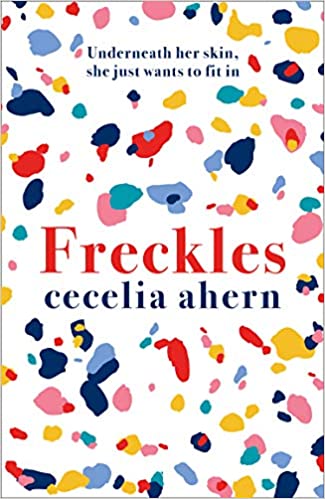
Freckles – by Cecelia Ahern

11 10 2021

I’ve read everything Cecelia Ahern has written, but normally try to wait for paperback, so when my friend got the hardback copy and then passed it on, I was thrilled to not have to wait!

Allegra Bird is a traffic warden just outside of Dublin, and is unnerved when an angry driver tells her that people are the average of the five people they spend the most time with, and so hers must be awful. She realises that she doesn’t know who her five people are, and that’s the focus of most of the book. There’s also a storyline about her trying to meet her mum who gave her up when she was born.

It was ok, but definitely not my favourite among the other books she’s written. I have two main frustrations:

  • She decided not to use speech marks, which she hasn’t done before, but I’ve found a couple of other books do recently. I don’t get the point of this, all it really seems to do is make it harder to read!
  • The ending wasn’t strong. It was anti-climactic, convenient and just a bit twee. I was disappointed to be honest.

I gave it 3 stars on Goodreads, not awful, but low for me I guess.


Sh**ged Married Annoyed – by Chris & Rosie Ramsey

23 09 2021

Yes, it has a rude word in the title, yes, some of the content isn’t the most edifying, but I’d just finished a 200-year-old novel that took forever and needed something trashy to fly through. Named after their stupidly successful podcast, there is some pretty rough stuff in there, scattered between just a load of chat between husband and wife.

Like the Ant and Dec books I’ve read, they’ve got different fonts to identify who’s talking, and a third font for the many, many letters from the public.

If you can get past some of the slightly gross stories, the rest of it is just a funny and easy read!


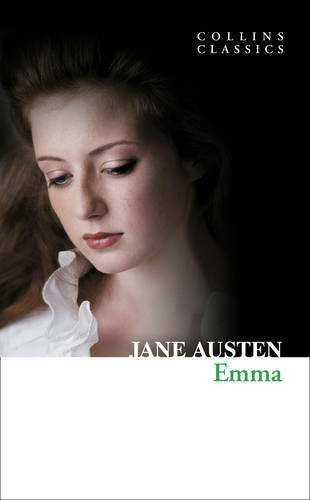
Emma – by Jane Austen

17 09 2021

I’ve watched so many adaptations of this book, but never got around to reading it (though I did read the Alexander McCall-Smith version for the Austen Project a few years ago). But under my new goal of reading one Austen a year (among other things), I chose this as it’s the one I knew best of the ones still unread, so it was the obvious choice!

For those unaware, Emma is about 20 and lives a life of comfort and ease to the point of being somewhat spoilt, with her hypochondriac father. She has a habit for matchmaking, though doesn’t intend on marrying herself. She’s not someone you’d like in real life, but goes on quite a journey throughout the book. It’s a story about class and relationships, and looks at several pairings of people as you work your way through.

I really enjoyed it, but for some reason it took me 10 weeks to read! I didn’t realise it was broken up into three volumes, but at nearly 500 pages, I guess that makes sense! The other thing that really surprised me was that for a book that’s only just over 200 years old, how different some of the spellings are, I tried to note some down as I went:

“stopt”, “chuse”, “shew”, “dropt”, “staid”, “Swisserland”, “Surry”, “surprized”, “every where”, “every thing”, “what ever”, “&c”.

I quite like some of those, but they’d all be seen as wrong these days!

It feels like a warm hug of a read, probably because it’s just such a familiar story to me, but then again, there’s a reason why it’s a classic!

I will leave you with trailers for three of my favourite Emma adaptations if you want to dip your toe in:

Firstly, the BBC version from 2009, this is a 4 part series so gets in a lot more detail. I think Romola Garai is my favourite Emma in an adaptation.
Then the film that came out a couple of years ago, I always like to have a film and a series version incase you don’t have time for a full series! Bill Nighy is excellent in this as Mr Woodhouse!
And finally, one of my favourite films of all time, Clueless – the story of Emma, but redone for a 90s US high school – and including the never-aging Paul Rudd.