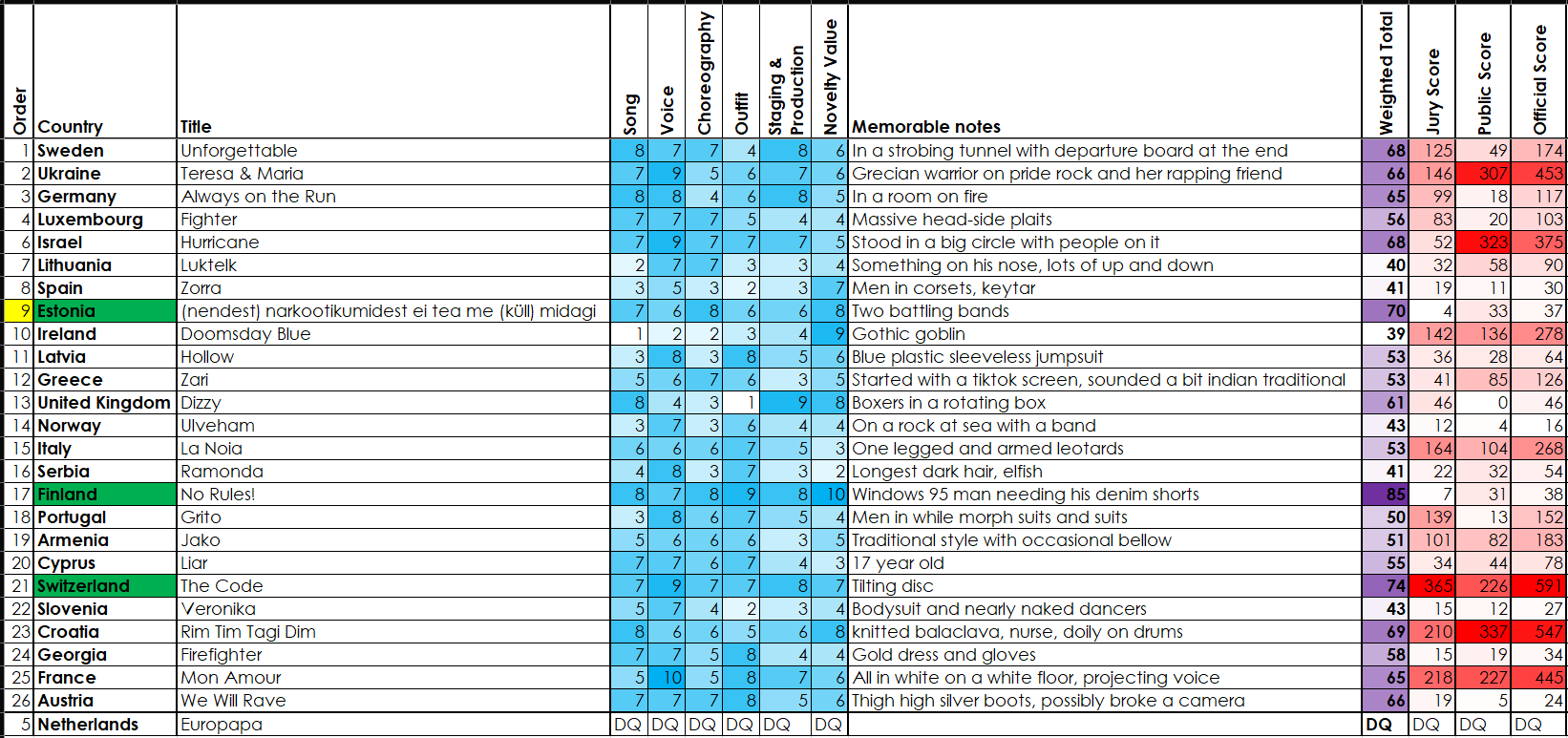
This is normally a five favourite, but this year the standouts for me were only really three acts, so that’s what you’re getting!
Interestingly, of my top three, my second place was the actual competition winner, and my first and third took the bottom two slots on the official leader board, so I’m not sure what that says about my taste…
I bought this for my mum as a bit of a joke as she loves the Alexander McCall-Smith books, and then she, possibly as an act of revenge, leant it back to me.
The thing is, there is nothing about this book that requires the characters to be cats, which is surprising given that’s the main thing they’ve changed from the books they’re spoofing. The cats drive cars, they use pens, they sit at tables, they wear human clothes, they don’t even lick themselves clean (there’s reference to scrubbing their fur with soap).
The story itself is fine. It’s cute and cosy, has dramatic turns and likeable characters. But the story would have been exactly the same if they were humans, so it all seemed a bit pointless. There is one tiny bit of the story that being a cat sort of worked better for, but a negligible change would have made it work for people too so it didn’t seem enough of a point.
Nice idea, decent story, just not enough made of it’s main selling point to make the joke work for me.
I needed an easy read and this definitely was one, evidenced by the fact I read it in eight days even though I was trying to get through a magazine at the same time!
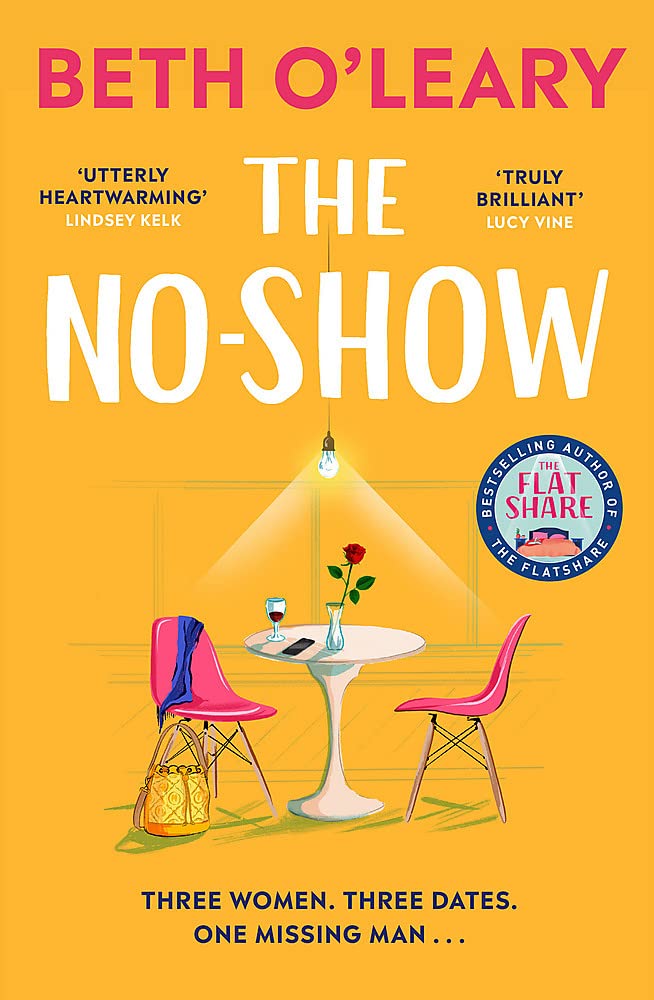
Three women, unknown to each other, have valentines plans, but are stood up, all by a man by the name of Joseph Carter. Each of their stories begins there, and we see what happens over the following year.
It’s easy to read, engaging, becoming addictive later on, and I very much enjoyed it – great bank holiday weekend read!
I’d wanted to read this for ages, and then suddenly a friend was offering to lend it to me, so I jumped at the chance.
It’s not a happy read, the whole way through, you are pummelled with negative stories and stats, that make you realise just how far we still have to go; there’s not a lot of celebrating progress made. The afterword talks a little about what can be done to improve things, but I think it might have made the book a little less harrowing if this was sprinkled more throughout.
That said, it felt like a very important read, it’s a reality. And it’s not just one person blindly sharing their opinion, it’s incredibly well researched; at the back of the book are 70 pages of references used! (Which gives an added bonus of the book not being quite as long as you first think it’s going to be!)
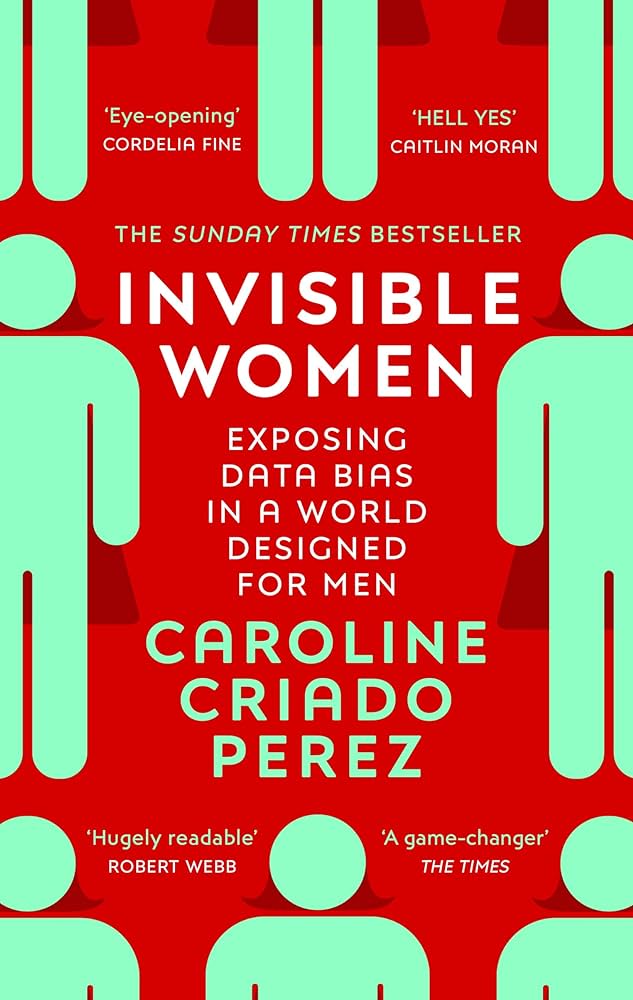
The author talks a lot about the “gender data gap”, this is when studies/designers/anyone just use data from men and assume it’s the same for women, or use data of both genders but don’t disaggregate it to look for differences between the two. But this isn’t right, because being equal doesn’t mean being the same.
Most of the content can be summarised in three main themes, the female body and its invisibility, male sexual violence against women, and unpaid care work.
A few quotes to give you a flavour:
“They didn’t deliberately set out to exclude women. They just didn’t think about them. They didn’t think to consider if women’s needs might be different.”
“[Women] were often discounted from studies as “confusing factors””
“We continue to rely on data from studies done on men as if they apply to women.”
“Men are more likely than women to be involved in a car crash […] But when a woman is involved in a car crash, she is 47% more likely to be seriously injured than a man, and 71% more likely to be moderately injured […] She is also 17% more likely to die. And it’s all to do with how the car is designed – and for whom.”
“There is one EU regulatory test that requires a […] female dummy. […] This dummy is only tested in the passenger seat. […] This female dummy is not really female. It is just a scaled-down male dummy.”
“PMS affects 90% of women, but is chronically under-studied: one research round-up found five times as many studies on erectile dysfunction than on PMS.”
“Getting to grips with the reality that gender-neutral does not automatically mean gender-equal would be an important start. And the existence of sex-disaggregated data would certainly make it much harder to keep insisting, in the face of all the evidence to the contrary, that women’s needs can safely be ignored in pursuit of a greater good.”

 ineke.co.uk