Different ways people approach a simple addition sum.
Life as a British kid before the internet.
Life tips. (Cos “Life hacks” is a stupid phrase.)
People who did not do their jobs well.
Different ways people approach a simple addition sum.
Life as a British kid before the internet.
Life tips. (Cos “Life hacks” is a stupid phrase.)
People who did not do their jobs well.
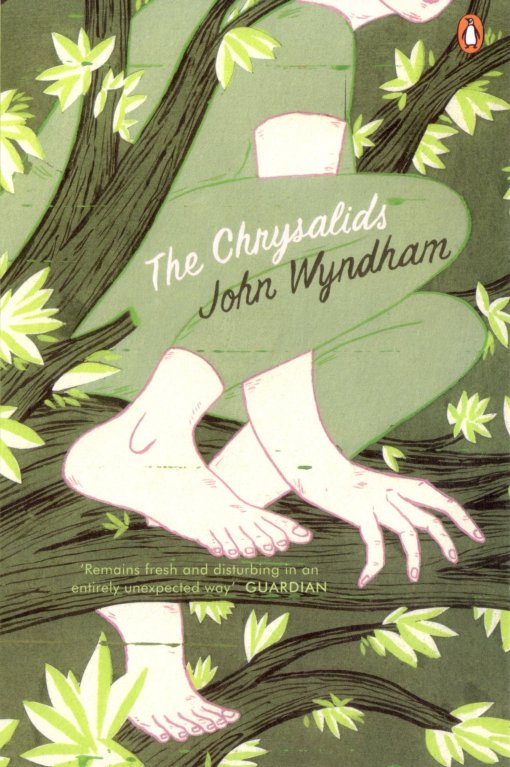
My mum cites this as her favourite book, so it was about time I gave it a read – she lent me her copy.
It was published in 1955, but these days would probably be put in the dystopian category that has become so popular. Living in a place called Labrador, it’s a fairly simple existence since Tribulation happened, but there is an idealism within society that if anyone or anything isn’t completely perfect (think extra finger, slightly misshapen crop of corn), then it is to be destroyed. There is a community on the Fringes of those who’ve been outcast, and further out than that, the badlands.
Our narrator, David, is a ten year old who has a mutation that isn’t visible, he can communicate with “thought shapes” with a handful of others who have the same ability. Because it isn’t visible, he hasn’t been shunned, but he knows it’s only a matter of time before they’re discovered.
I started the book unsure if it was a children’s book or grown ups, but it’s definitely a grown up book, it gets pretty dark!
The thing I don’t quite get, after reading the entire book, is why it’s called The Chrysalids… I googled and got some suggestions, but it doesn’t seem to make a lot of sense to me!
Oh, and one more thing, they don’t have the letter Z in their alphabet, but this is only mentioned a good way into the book, and the temptation to go back and reread and see if they used any words using the letter Z before that was huge, but I’m a slow reader so decided against it!
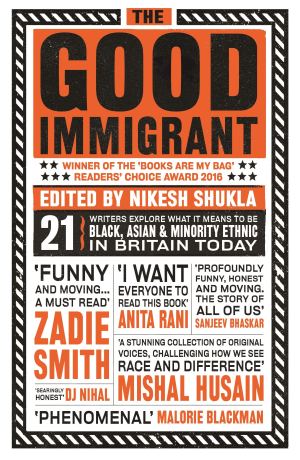
Never in my life did I think I’d choose to read an essay collection; but when the focus/intention is something so important, the tone is relatively auto-biographical, and the reviews are so strong, it seemed worth giving it a go.
I think what surprised me most about this book (though of course it shouldn’t have) was the variety. As “21 writers explore what it means to be black, Asian & minority ethnic in Britain today”, not once did I think it was getting repetitive. The contributors are from all sorts of backgrounds, cultures, ethnicities [which, interestingly, spell-check doesn’t recognise as a word?!]. Some are UK born, some immigrated, and they talk about different things, some more on a specific topic, some more just telling their story. It gives a great insight into a world that those of us with white privilege just haven’t experienced.
At the start of the book there is a mini-bio for each author (and their twitter handle), but then it just dives right in, the first essay being from Shukla, and going on from there.
To give a flavour of what sort of things the book covers, I’ve put some example paragraphs and sentences below:
– Riz Ahmed
There’s also sections on: Visiting ones country of heritage and not fitting in their either, stereotypes of different African countries inspired by the hashtag #IfAfricaWasABar, and much else besides.
Definitely a good book for exposing us to what life is really like out there.


 ineke.co.uk